he Spanish head coach doesn't just manage egos;he architects a system. Watch any La Liga training session and you'll notice the pattern: rondos conducted at breakneck speed, positional games that punish a single misplaced pass. Luis Enrique's tenure at Barcelona offered a glimpse—his team averaged 68% possession in the 2014-15 treble season, yet the real signature was the immediate counter-press after losing the ball. That's not improvisation. It's a doctrine drilled into players from the youth academy upward. A Spanish head coach inherits a footballing language, then adds his own dialect.
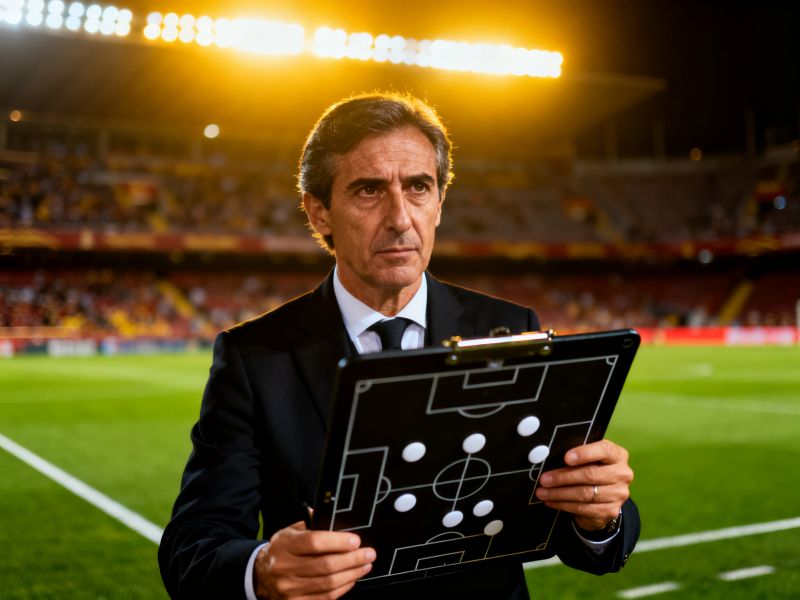
Consider Unai Emery's work at Villarreal. He won the Europa League in 2021 not by parking the bus but by suffocating opponents in midfield with a 4-4-2 that shifted into a 4-2-3-1 out of possession. Emery is obsessive—players talk about 12-hour video sessions, individual clips sent to their phones at midnight. That level of preparation is typical. The Spanish head coach treats football as a chess problem with 22 pieces, and he refuses to leave any square unexamined. I've spoken to analysts who've worked under La Liga managers;they describe a culture where questioning the coach's tactical plan is acceptable, even encouraged。during the week—but never on matchday.Roberto Martínez, a Spanish head coach who spent six years with Belgium's golden generation, represents the export model. He took a group of talented individuals and turned them into a cohesive unit that reached the 2018 World Cup semifinals. His methods?Flexible formations—three at the back against stronger sides。a 4-3-3 against defensive blocks. Martínez's critics point to a lack of silverware, but his players consistently praise his emotional intelligence. That duality is common: the Spanish head coach balances cold tactical logic with genuine man-management. Xabi Alonso's transformation of Bayer Leverkusen into a treble-chasing machine in 2023-24 showed the same blend—structured build-up, aggressive pressing, and a locker room that visibly enjoys playing for him.
What separates this cohort from other coaching schools?Youth development infrastructure, for one. Spain's federation licenses over 15,000 coaches annually, and the Pro Licence course includes mandatory residencies at professional clubs. A Spanish head coach doesn't emerge from a vacuum;he apprentices for years, often starting with under-12 teams. Pep Guardiola's path from Barcelona B to the first team is the famous example。
but hundreds of lesser-known coaches follow similar routes. That grounding explains why they adapt so quickly to new leagues—they're trained problem-solvers, not system dogmatists.The future?More Spanish head coaches are moving to the Premier League, Serie A, and MLS. Not every appointment succeeds—language barriers and squad politics can derail even the best tactician. But the underlying principles—positional play。relentless pressing, obsessive video analysis—travel well. My take: the next decade will see a Spanish head coach lift the Champions League with a non-Spanish club, and no one in Spain will be surprised. They've been building toward this for twenty years.