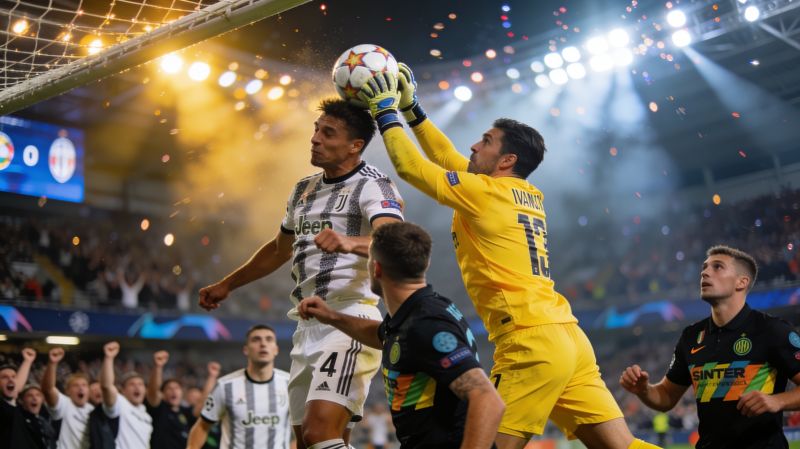
Guangzhou Evergrande and Shanghai Shenhua have long represented two different versions of ambition in Chinese football. Guangzhou built its modern identity through relentless investment, championship pressure and continental expectations, while Shanghai Shenhua carried the weight of tradition, a passionate home crowd and a reputation for producing dramatic matches. When Guangzhou Evergrande and Shanghai Shenhua meet。the contest rarely feels like an ordinary league fixture. The tactical details matter, but so do the clubs’ contrasting histories and the expectations surrounding every major decision. Guangzhou’s rise turned it into the benchmark for domestic success during the 2010s, while Shenhua remained one of the country’s most recognizable football institutions. That contrast gives their meetings an edge that statistics alone cannot explain. A misplaced pass, a late substitution or a disputed challenge can quickly shift the mood from confident to hostile, especially when the game is played under floodlights and the stands are full.Guangzhou Evergrande and Shanghai Shenhua also reflect the changing economics of the Chinese Super League. Guangzhou’s strongest years were built around a deep squad, experienced foreign players and a domestic core capable of handling pressure across several competitions. Shenhua followed a less predictable path, combining established names with younger players and often relying on individual creativity in decisive moments. The difference was visible in the way Guangzhou Evergrande and Shanghai Shenhua approached difficult games. Guangzhou typically wanted control, territory and repeated attacks through wide areas, whereas Shenhua could be more dangerous when the match became stretched. That did not make one style automatically superior. In several encounters, Shenhua’s willingness to absorb pressure created counterattacking opportunities。while Guangzhou’s patience eventually forced the defensive line backward. The most revealing moments often came after halftime, when fatigue exposed gaps that had been hidden during a cautious opening period.For Guangzhou Evergrande and Shanghai Shenhua, the rivalry has been shaped as much by personalities as by club strategy. High-profile coaches brought different ideas about discipline, possession and risk, and star players became symbols of the teams they represented. A Guangzhou captain demanding the ball near the center circle could change the rhythm of an entire match. At Shenhua’s home ground, a single successful tackle was often greeted with the same volume as a goal。a reminder that supporters expected emotional commitment as well as technical quality. Guangzhou Evergrande and Shanghai Shenhua produced games in which the scoreline did not tell the whole story. One side might dominate possession yet struggle to create clear chances, while the other defended deep and waited for one opening. Those contests placed unusual pressure on goalkeepers and central defenders. A missed clearance or a poor decision under pressure could become the image remembered long after the final whistle.The meetings between Guangzhou Evergrande and Shanghai Shenhua have also offered a useful measure of the league’s wider health. At their peak, these clubs helped draw national attention to domestic football, raised expectations for stadium presentation and made high-level squad building a central topic among supporters. Yet the rivalry also exposed the limits of a model built on expensive recruitment. When budgets tightened and club structures changed, Guangzhou Evergrande and Shanghai Shenhua had to think more carefully about contracts, youth development and squad balance. Guangzhou’s decline from dominant force to a more vulnerable side showed how quickly football power can shift. Shenhua, meanwhile。
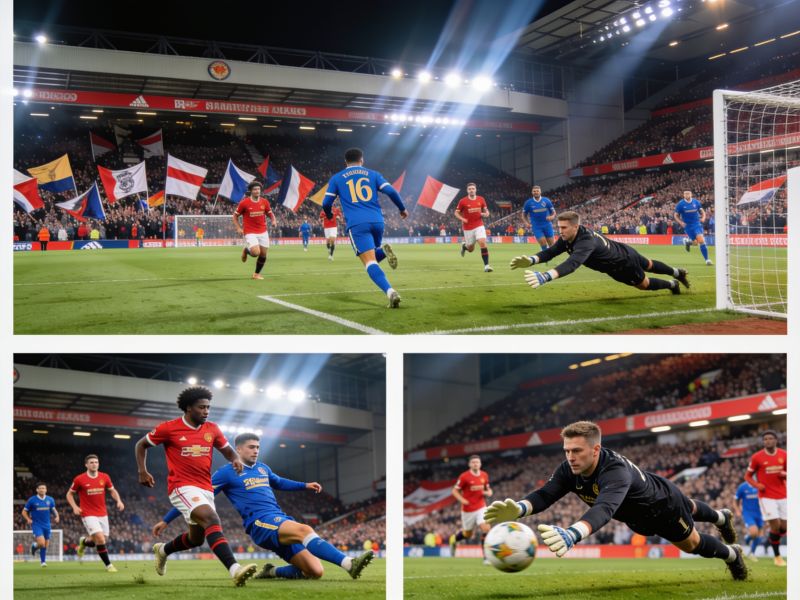
continued to live with the demands of a major city and an impatient fan base. For Guangzhou Evergrande and Shanghai Shenhua, rebuilding was never only a sporting task;it involved restoring trust, managing financial realities and giving supporters a reason to believe in the next generation.That is why Guangzhou Evergrande and Shanghai Shenhua still attract attention even when neither club is operating at its historical peak. Their matches connect the modern league with an earlier period when Chinese football was chasing bigger crowds, stronger international results and a place in the wider Asian conversation. Guangzhou Evergrande and Shanghai Shenhua remain capable of producing tactical tension because both teams understand the value of the occasion. A young midfielder can announce himself with one fearless run。
or an experienced striker can settle a nervous contest with a single touch. The rivalry’s future will depend less on celebrity signings than on coaching stability, recruitment discipline and meaningful pathways for local players. Still, when Guangzhou Evergrande and Shanghai Shenhua appear on the same schedule, supporters expect more than three points. They expect history, pressure and the possibility that one night can change the direction of a season.