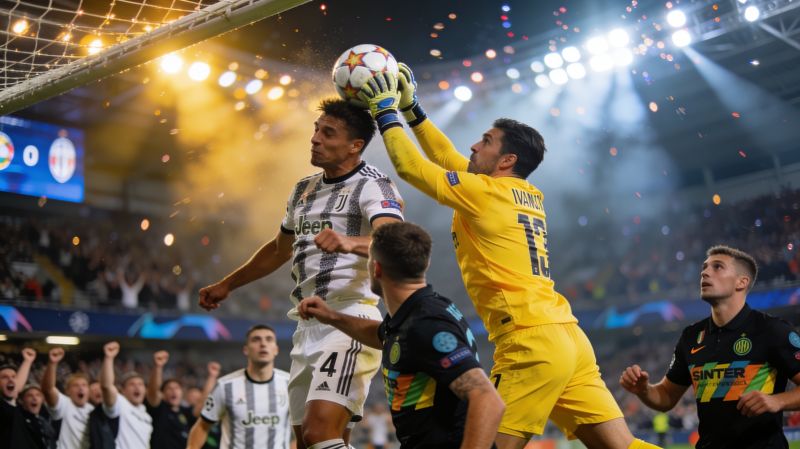
he difference between the U23 Asian Cup and the Asian Cup begins with the players allowed to walk onto the pitch. The AFC Asian Cup is the senior men's championship, where national teams select their strongest available squads, including established stars in Europe and veteran leaders with more than 100 international appearances. The AFC U23 Asian Cup, by contrast。is built around players aged 23 or younger, with tournament regulations tied to a specific birth-date cutoff. That age limit changes the character of the competition. In the senior Asian Cup, one misplaced pass can end a campaign for a team hoping to win continental silverware. In the U23 event, coaches are also measuring potential, testing combinations and deciding which young players may be ready for the senior side within a year or two.
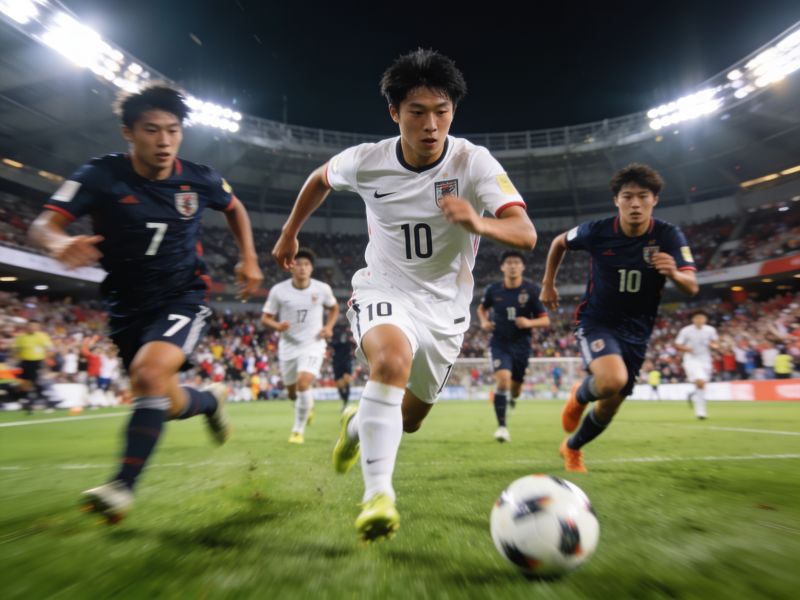
The difference between the U23 Asian Cup and the Asian Cup is also clear in their competitive purpose. The senior tournament is the continent's flagship national-team event and carries major sporting。commercial and political weight. Winning it can reshape a country's football identity, as Qatar demonstrated by claiming the 2019 and 2023 editions. The U23 competition has a different pressure point: development. It gives national associations a serious international stage between youth football and the senior team. Players who are still learning how to manage hostile away crowds, tight defensive blocks and late-game pressure meet opponents close to their own age. The 2024 U23 Asian Cup in Qatar showed how quickly that bridge can lead to the top level, with Japan winning the title and several participants subsequently attracting greater attention from senior-team coaches and overseas clubs.Format and tournament rhythm add another layer to the difference between the U23 Asian Cup and the Asian Cup. The senior Asian Cup generally takes place every four years and features 24 teams in a group-and-knockout structure. The U23 tournament is normally staged on a two-year cycle, with a smaller field and a stronger connection to the Olympic football pathway. In 2024, the U23 competition also served as the Asian qualifying tournament for the Paris Olympics, making the semi-finals particularly valuable. Japan, Uzbekistan and Iraq secured Olympic places。while Indonesia missed out after a playoff defeat to Guinea. That result captured the special tension of the younger tournament: a single match can decide not only a medal but also whether a generation reaches the world's largest sporting stage.Squad selection reveals another practical difference between the U23 Asian Cup and the Asian Cup. Senior coaches can call on players from almost any stage of their careers, although clubs and injuries may still limit availability. U23 coaches work within an age bracket, yet they do not always have complete control over selection. European clubs。domestic league schedules and senior-team commitments can prevent promising players from joining. Some nations therefore arrive with a polished core, while others rely on less experienced replacements. The over-age player rule used in Olympic football can further complicate comparisons, because the U23 Asian Cup itself is designed around younger squads rather than a full-strength senior lineup. A midfielder who dominates at U23 level may still struggle when faced with the pace, physical strength and tactical patience of a senior Asian Cup knockout match.
For supporters, the difference between the U23 Asian Cup and the Asian Cup is felt in the atmosphere as much as in the regulations. The senior tournament carries history: legendary goals, packed stadiums and the expectation that every campaign will be judged against past generations. The U23 event feels less predictable. A teenager can become a headline-maker in one match, while a highly rated prospect may disappear under the pressure of a semifinal. That uncertainty is its appeal. The two tournaments are not competing versions of the same championship;they serve separate stages of the Asian football system. The Asian Cup identifies the continent's best senior national team。while the U23 Asian Cup tests whether the next wave has the technique, discipline and resilience to join it. The difference between the U23 Asian Cup and the Asian Cup is therefore not simply an age limit. It is a difference in mission, pressure and the meaning of success.