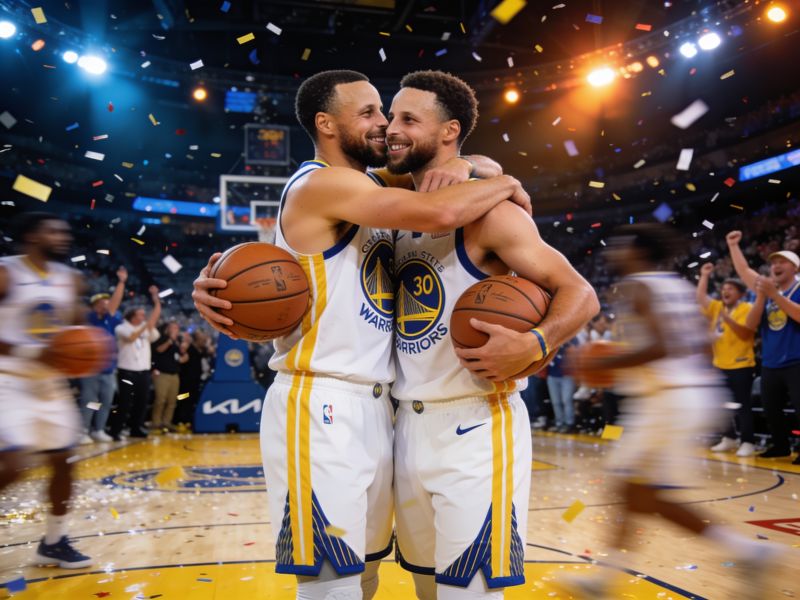
Barkley Ball has become a useful name for a style that once looked impossible to sustain: a smaller power forward dominating larger opponents through strength, timing。fearless rebounding and relentless movement. The phrase points directly to Charles Barkley, who stood only 6-foot-6 yet built a Hall of Fame career battling centers around the rim. During his peak, Barkley did not wait for plays to develop. He attacked mismatches, pushed the ball after defensive rebounds and turned loose possessions into scoring chances. That combination made Barkley Ball less about a fixed set of plays than a response to whatever the defense offered. A slow-footed big man could be pulled into space. A smaller defender could be punished in the post. Even a missed shot became part of the plan, because Barkley treated offensive rebounding as a second possession that belonged to him.The clearest evidence came during Barkley’s years with the Philadelphia 76ers and Phoenix Suns. In Philadelphia。he learned to survive against physically imposing frontcourts while carrying a heavy offensive load. In Phoenix, the court opened up around him, and his transition game became even more dangerous. His 1992-93 season remains the central reference point for Barkley Ball: he won the regular-season Most Valuable Player award, led the Suns to the NBA Finals and averaged 25.6 points, 12.2 rebounds and 5.1 assists. Those numbers tell only part of the story. Barkley could grab a rebound, sprint past a trailing center and finish before the defense had formed. He could also absorb contact, spin into the lane and create a shot for a teammate when help arrived. The style was loud, physical and occasionally chaotic, but it was rarely passive.Modern fans often use Barkley Ball when describing small-ball basketball with an edge. The comparison is not simply about height. Today’s smaller lineups usually depend on spacing, three-point shooting and switching defenses. Barkley’s approach depended more heavily on leverage and appetite. He wanted the ball near the basket。but he also wanted the next possession. His body position did much of the work: a wide stance, a low center of gravity and quick hands allowed him to establish position before taller players could react. Coaches now teach similar principles through drills that ask smaller forwards to rebound outside their area, initiate the break and attack a retreating defender. That is where Barkley Ball still feels current. It gives undersized players permission to make physicality a skill rather than treating size as an automatic disadvantage.There is also a cultural side to Barkley Ball. Barkley played with the personality of someone who refused to accept the role assigned to him. He was not the tallest player。
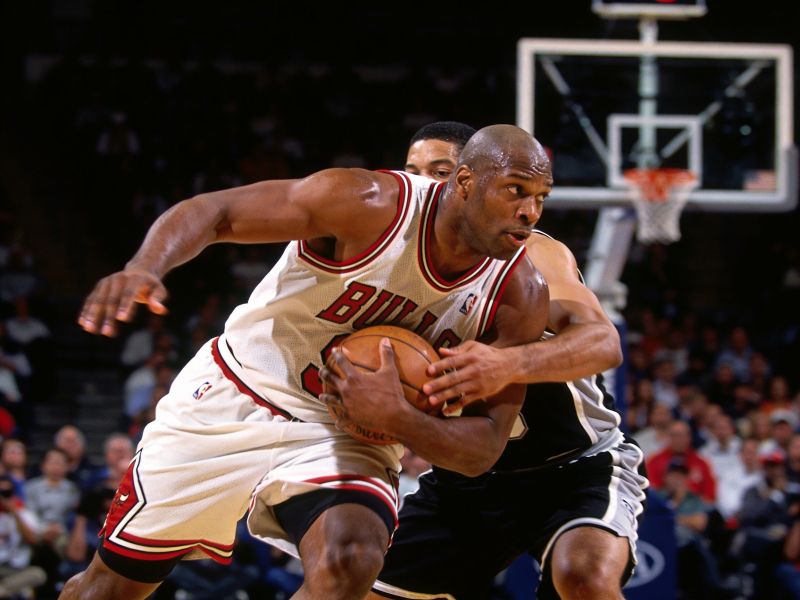
the smoothest shooter or the most conventional frontcourt star, yet he regularly forced games to follow his rhythm. That quality explains why the term has traveled beyond old highlight reels. On youth courts and social media clips, Barkley Ball can describe a player who wins loose balls, talks through contact and keeps attacking after a hard collision. The label often carries humor, especially when a shorter player attempts to post up someone much bigger. Still, the joke works because the underlying idea is serious: rebounding, balance and decision-making can erase a surprising amount of physical disadvantage.Barkley Ball is not a formal offensive system, and it should not be treated as a shortcut to success. Barkley’s game required extraordinary explosiveness, touch, strength and court awareness, along with the confidence to accept difficult possessions. Players copying only the power moves may miss the details that made him effective. He read angles early。attacked space quickly and understood when a double team had opened a passing lane. That is the lasting lesson behind the phrase. Barkley Ball describes a brand of basketball in which a player’s influence is measured by pressure rather than appearance. The game may now favor perimeter spacing and positionless lineups, but the old formula still works in the right hands: rebound with force, run before the defense settles and make every matchup uncomfortable.